Group G Deep Dive: The Red Devils’ Tactical Route to the Knockout Stage
World Cup fever is reaching its peak. With Rudi Garcia's squad now confirmed, the focus shifts to the tactical board. Against Egypt, Iran, and New Zealand, the Red Devils appear to have a manageable draw on paper, but appearances can be deceiving. Without the injured Zeno Debast and with Romelu Lukaku racing against a fitness deficit, Garcia faces a complex tactical chess match. How will he guide the Belgians safely into the knockout phase?
Rudi Garcia’s Tactical Blueprint
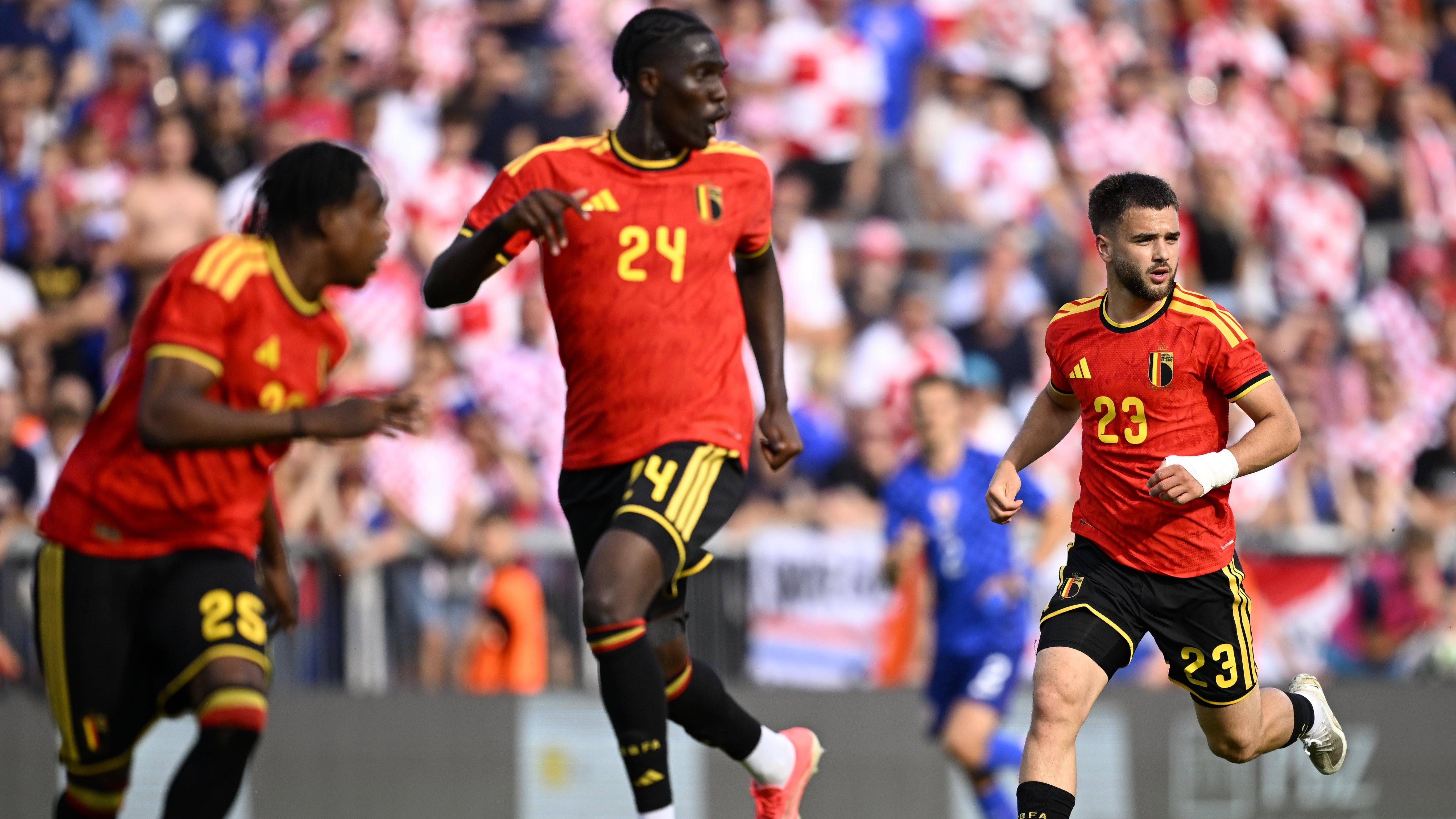
Rudi Garcia champions a dynamic and dominant playing style, typically employing a fluid 4-3-3 or a recognizable 4-2-3-1 formation. The strength of this Belgian squad undeniably lies in the central axis of the pitch. With recent Europa League winner Youri Tielemans and Kevin De Bruyne, Belgium boasts two absolute midfield maestros capable of dictating tempo and dissecting defenses with a single incisive pass. Amadou Onana serves as the crucial physical anchor in this setup.
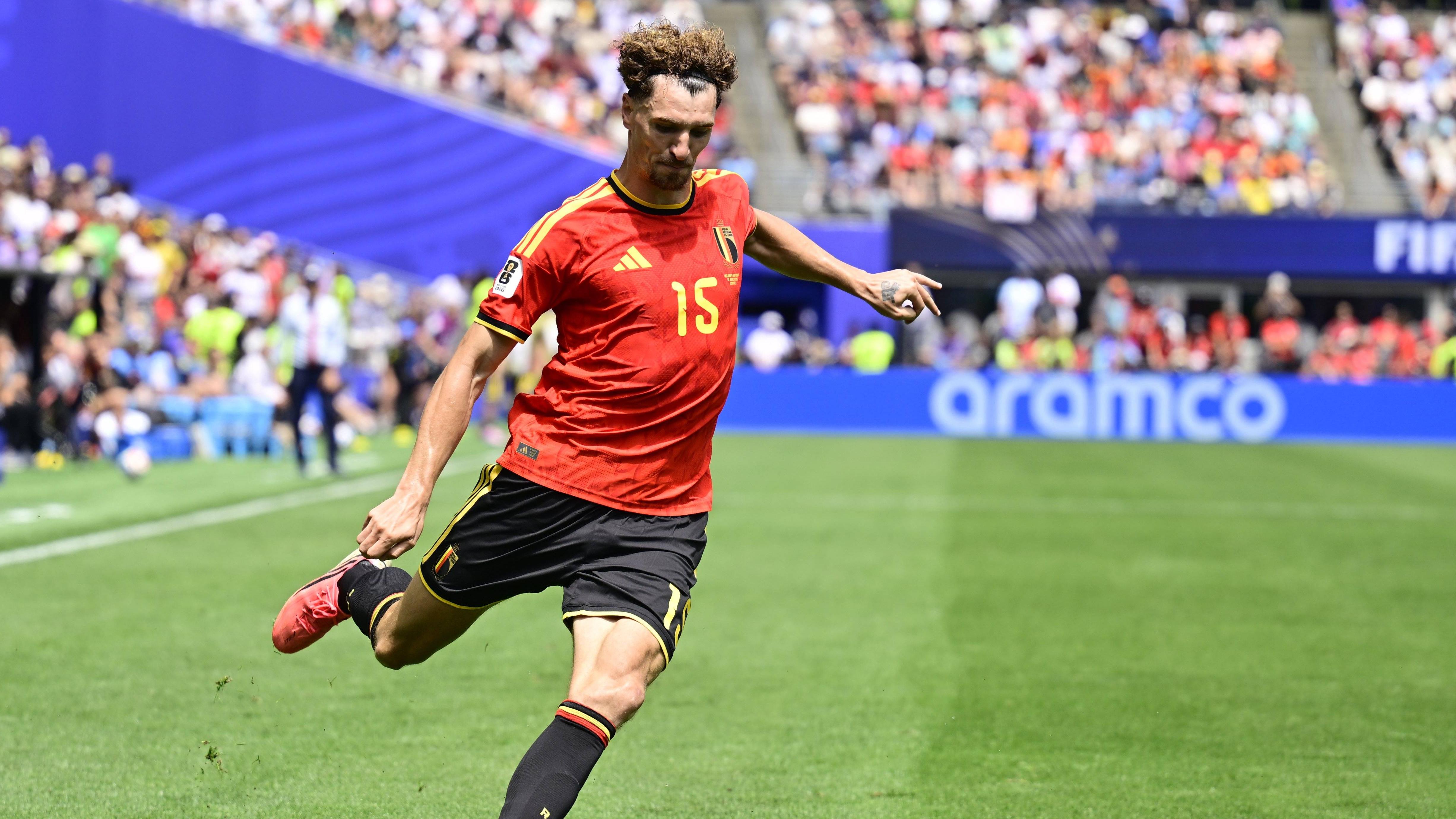
However, Garcia’s major tactical dilemma revolves around defensive personnel. With Zeno Debast confirmed to miss the group stage due to a knee injury, the national coach is without his most ball-playing central defender. It’s highly probable that Garcia will opt for the experience of Brandon Mechele alongside the sharpness of Arthur Theate in the heart of the defense. This suggests the Red Devils will press less aggressively to avoid being caught out by pace in behind their backline.
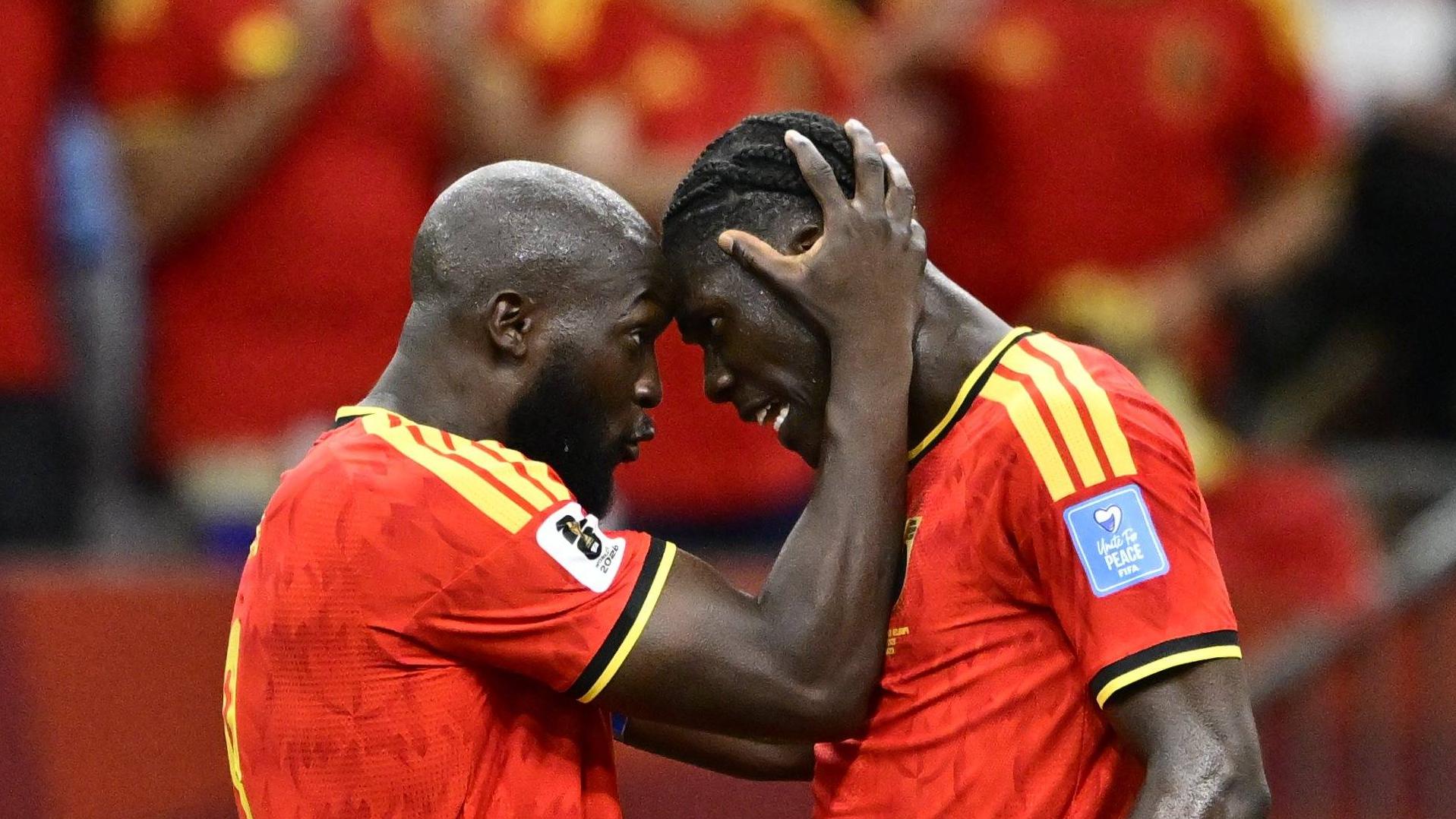
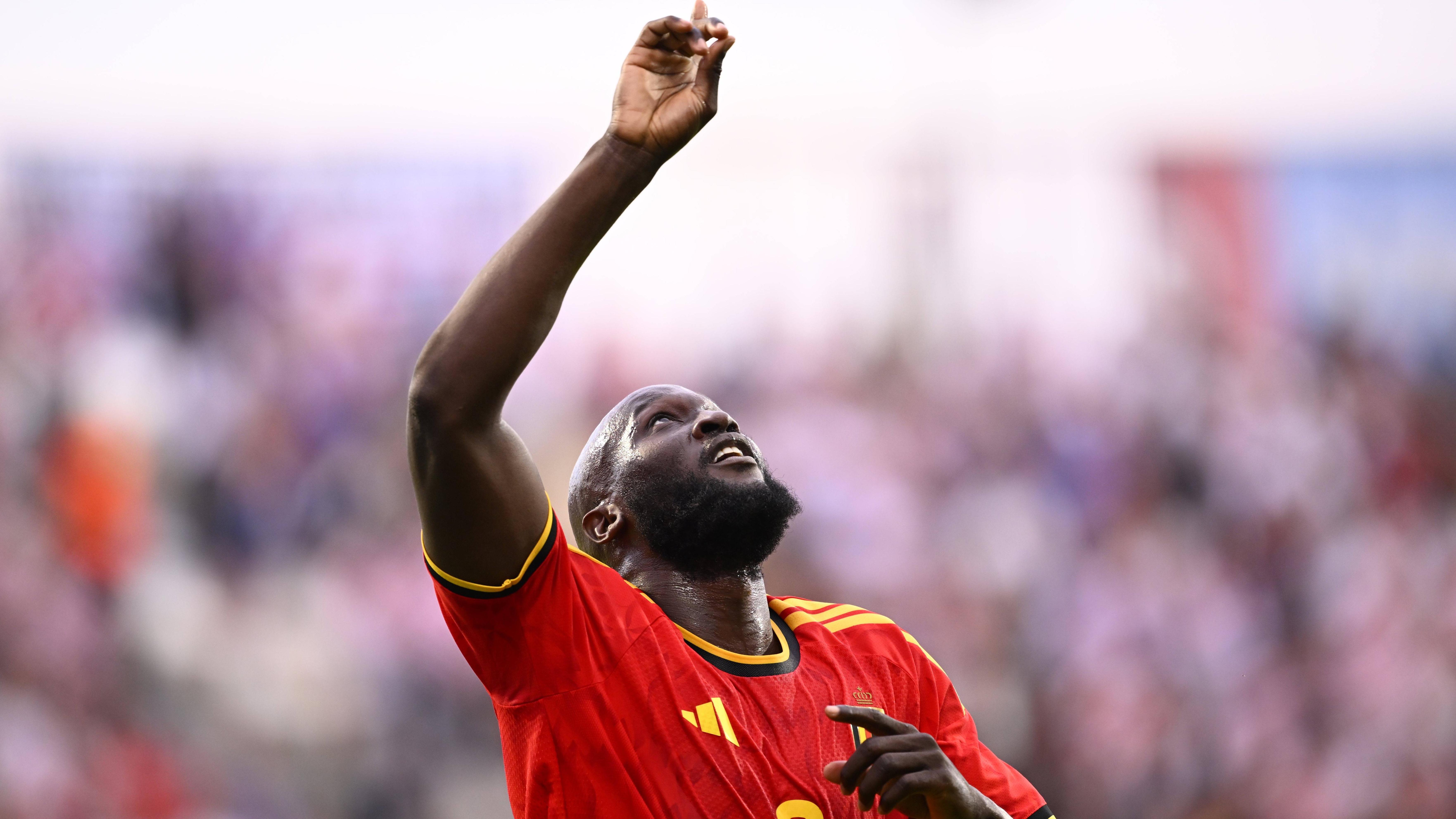
Offensively, everything hinges on Romelu Lukaku’s fitness. As long as ‘Big Rom’ is training individually to build up his match rhythm, Garcia will need to adapt. Fortunately, the squad offers Charles De Ketelaere as a fluid ‘false nine’ who combines well, while the young Matías Fernández-Pardo can provide unpredictability.
Match 1: Belgium vs. Egypt
The opening match on June 15th against Egypt will immediately serve as a crucial test for the Belgian defense. The Egyptians are known for operating from a compact, low block, then striking with razor-sharp precision on the counter-attack.
Egypt’s Tactics
Egypt relies heavily on the individual brilliance of their electrifying wingers (with Mohamed Salah as the undisputed star). Their statistics historically show they concede very little space defensively through the center, forcing opponents into sterile ball circulation in their own half.
Belgium’s Response
For Belgium’s full-backs, likely Timothy Castagne and Maxim De Cuyper, this will be an incredibly challenging task. They will need to temper their constant urge to push forward. If De Cuyper infiltrates too high, the space for Egypt’s counter-attacks will be wide open. The tactical key here lies with Amadou Onana: he will constantly need to shift to cover gaps on the flanks. Offensively, Belgium will have to maintain an extremely high tempo to disrupt the Egyptian wall before it can fully organize.
Match 2: Belgium vs. Iran
On the second matchday (June 21st), a completely different type of game awaits. Iran presents the ultimate test for teams that enjoy playing dominant football. Under their experienced tactical staff, Iran has specialized in the so-called low-block.
Iran’s Tactics
Iran unashamedly ‘parks the bus.’ They drop deep into their own eighteen-yard box, hermetically sealing off all passing lanes through the center. They gamble on physical duels, interceptions, and frustrating their opponents. With clinical strikers like Mehdi Taremi, they also possess the quality to score from even a half-chance.
Belgium’s Response
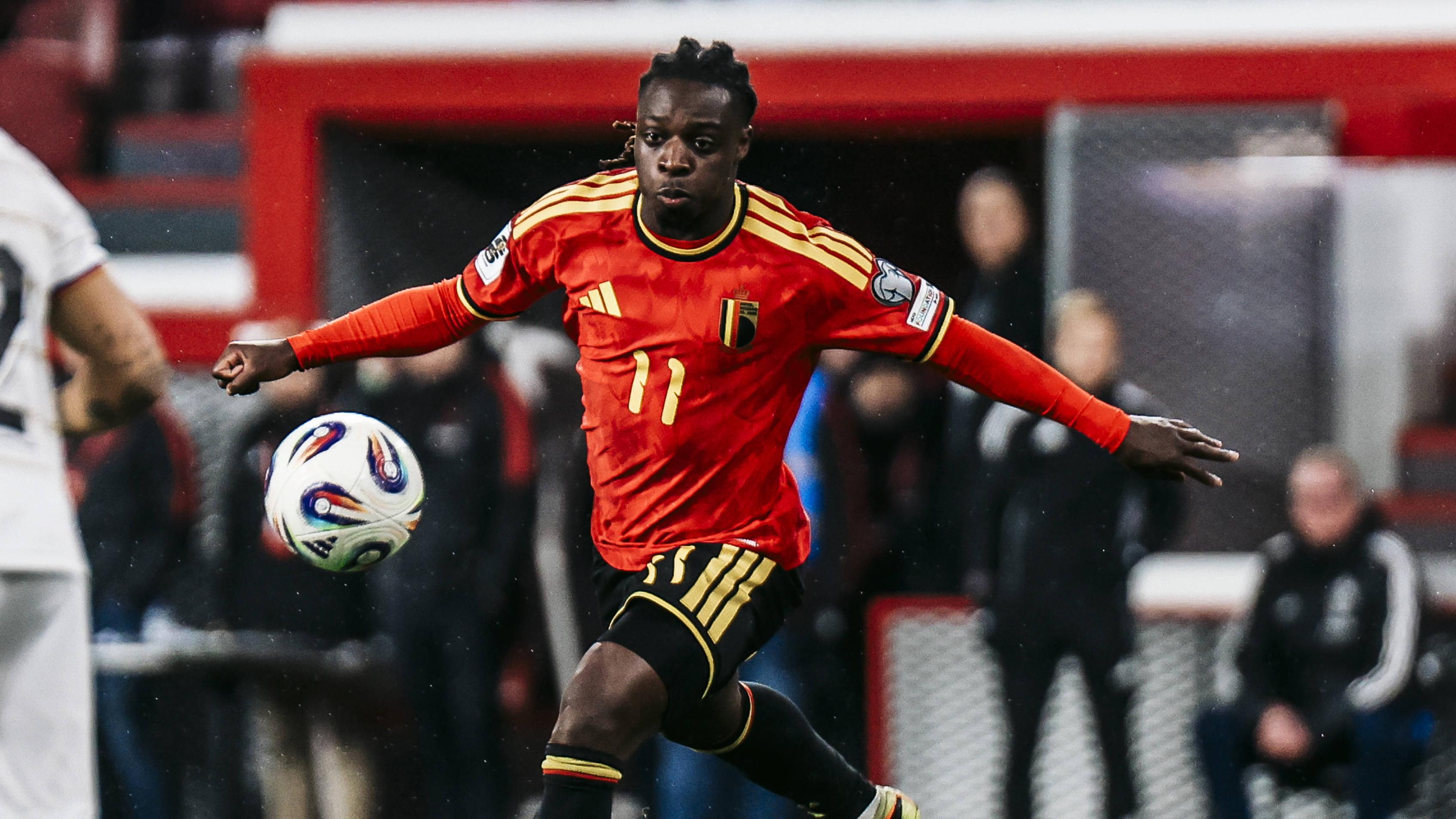
In these types of matches, sterile possession is the major pitfall. If the Red Devils merely circulate the ball in a U-shape around the Iranian defense, they will be playing right into their opponents’ hands. This is the match where Kevin De Bruyne’s moments of genius and Jérémy Doku’s dribbling must make the difference.
“Against a team that drops as deep as Iran, you shouldn’t hesitate to shoot from distance. You have to force their defense to step out.” – Youri Tielemans, after his recent world-class goal in the Europa League final.
Precisely those long-range shots from Tielemans can force the Iranian organization to come out of their own box, creating space for incisive wingers like Leandro Trossard or Dodi Lukébakio.
Match 3: Belgium vs. New Zealand
The group stage concludes on June 27th against New Zealand. The All Whites bring a typical Anglo-Saxon football style to the pitch: physical, direct, and lurking for set-piece opportunities.
New Zealand’s Tactics
Don’t expect complicated ground-based tactical patterns from New Zealand. Their playing style is straightforward. They quickly look for their physically strong target man (Chris Wood) with long balls. From the flanks, they also deliver a barrage of early crosses into the opposition box, hoping for a headed goal or a free-kick situation.
Belgium’s Response
This will be the match where Brandon Mechele and Koni De Winter will need to show their strength. Absolutely nothing can be given away in the air. Fortunately, Garcia has goalkeepers like Mike Penders or Thibaut Courtois who can dominate their own penalty area. Technically, Belgium is at least two classes stronger than New Zealand. If the Devils survive the physical battle and move the ball quickly across the pitch, the New Zealand defense will be torn apart by the sharpness of Moreira or Fernandez-Pardo.
Group Stage Tactical Overview
|
Match |
Opponent |
Date & Time |
Tactical Threat |
Belgian Key Player |
|---|---|---|---|---|
|
Match 1 |
Egypt |
Monday 15/06 – 21:00 |
Transition speed on the flanks |
Amadou Onana (Defensive cover) |
|
Match 2 |
Iran |
Sunday 21/06 – 21:00 |
Extremely compact low-block |
Kevin De Bruyne (Creativity) |
|
Match 3 |
New Zealand |
Saturday 27/06 – 05:00 |
Physical duels & set-pieces |
Brandon Mechele (Strong header) |
What is the Key to Success?
Group G is a tactically fascinating group for analysts, as we are presented with three completely different styles: the lightning-fast counter (Egypt), the defensive wall (Iran), and the physical aerial power (New Zealand).
If Rudi Garcia succeeds in tactically adapting his squad for each match without losing their own identity, qualification for the knockout stages is an absolute must. The biggest challenge won’t be the quality of the opponents, but managing their own fitness in the warm North American climate. The path to the knockout phase is open; now it’s up to the Devils to execute the tactical plan perfectly.
 Iran
 Belgium
 Egypt
 New Zealand
 World Cup